


PHONES ARE KILLING THE DANCE FLOOR VIBE
From Berghain to Ibiza, club culture is turning against endless filming. The dancefloor wants its freedom back.
There is a moment at almost every major electronic music event when the lights fall, the tension rises and the DJ begins to tease the night’s most anticipated drop.
Then, almost automatically, hundreds of phones appear in the air.
The crowd stops moving. Screens block the booth. People who have spent all night waiting for this moment experience it through a six-inch display, recording footage they may never watch again.
What should be an explosion of collective energy becomes a content opportunity.
Phones are not simply documenting the dancefloor anymore. They are changing it—and, too often, killing its vibe.
The dancefloor was never meant to be content
Electronic music was built around participation, not observation.
The relationship between a DJ and a crowd depends on a continuous exchange of energy: the selector takes a risk, the room responds and that reaction shapes where the set goes next.
It is intimate, instinctive and impossible to recreate outside the room.
But a crowd holding cameras is no longer fully responding. It is waiting.
Waiting for the drop. Waiting for the track ID. Waiting for the moment that will perform best on Instagram or TikTok.
The front row increasingly resembles a press pit, while the DJ booth has become a stage designed to generate vertical video. Some people now appear more concerned with proving they attended an event than actually experiencing it.
Taking a short clip is not the problem. Everyone wants a memory of a great night.
The problem begins when the entire night is spent hunting for footage—when recording the moment replaces living it.
The dancefloor loses movement. The artist loses the crowd’s attention. Everyone else loses the freedom to disappear into the music without wondering whether they are being filmed.
Berlin understood this years ago
No single club or promoter can claim to have invented the no-phone dancefloor. Underground parties were protecting their privacy long before smartphones existed.
But Berlin turned that principle into a defining part of modern club culture.
Since opening in 2004, Berghain has become the world’s most recognisable example of a club where cameras do not belong. Phone lenses are covered at the entrance and photography inside is prohibited.
The policy protects the venue’s mystique, but its real importance runs deeper.
Berghain grew from Berlin’s queer and countercultural nightlife, where privacy was essential to freedom. Removing cameras allowed people to dance, connect and express themselves without fear that an unguarded moment might appear online the following morning.
The approach subsequently became common across Berlin’s underground.
It was never about manufacturing exclusivity for social media. It was about consent—and preserving a space in which people could temporarily escape their everyday identities.
Berghain may not have started the movement, but it provided the model the rest of club culture is now rediscovering.
London and Ibiza are pushing back
London venues including FOLD and fabric have enforced restrictions on photography and filming, particularly on the dancefloor.
At FOLD, the no-photo rule forms part of the club’s wider safer-space policy. The objective is not to take something away from the audience, but to give something back: anonymity, presence and permission to lose yourself.
Manchester’s Amber’s has gone further by making phone-free clubbing fundamental to its identity.
Guests have stickers placed over their cameras before entering, while a designated team captures a limited amount of official content.
The response has challenged the idea that younger crowds will reject any restriction on their phones. Clubbers have described a more social, connected and energetic room, while Amber’s co-director Jeremy Abbott told The Guardian that people become more present and better able to connect with the music, the DJ and one another.
The policy reportedly requires very little enforcement. Once the crowd feels the difference, it begins to protect the atmosphere itself.
In Ibiza—an island where almost every major drop is broadcast across social media within seconds—resistance is growing too.
Pikes initially introduced camera stickers on selected Monday nights before expanding its restrictions across the week. Its instruction captured the entire philosophy in one line: keep your phone in your pocket and your mind on the music.
In 2024, Damian Lazarus brought a no-phone policy to his Saturday residency in Hï Ibiza’s Club Room.
The DJ and founder of Crosstown Rebels, Get Lost and Day Zero wanted to create what he described as a proper session: a room where people could lose their inhibitions and recover a genuine sense of freedom.
It was a particularly significant statement because it did not come from a small underground venue. It happened inside one of the most famous and technologically advanced clubs in the world.
The message was clear: spectacle means very little if the crowd is not truly present.
Festivals want their audience back
Phone-free policies are also moving beyond clubs.
At Amsterdam’s No Art Festival, attendees were asked to seal their phones inside envelopes for the duration of the event.
The decision came after organisers Bora Güney and Ruud Boymans grew frustrated at seeing the festival’s carefully created “art moments” viewed through a wall of screens.
No Art’s events regularly interrupt electronic sets with unexpected live performances, musicians and visual interventions. These moments are intended to surprise the crowd—but when every surprise triggers hundreds of cameras, spontaneity quickly becomes content.
Without phones, organisers said the audience appeared more immersed and more connected.
The reaction was largely positive, with the renewed atmosphere inspiring a simple verdict: the party was back.
Belgium’s Voodoo Village has adopted camera stickers with a similar intention, while New York venues including The Palace, Basement and Nowadays have experimented with restrictions ranging from no-photo rules to locked phone pouches.
Different methods, same objective: getting people to look at each other again.
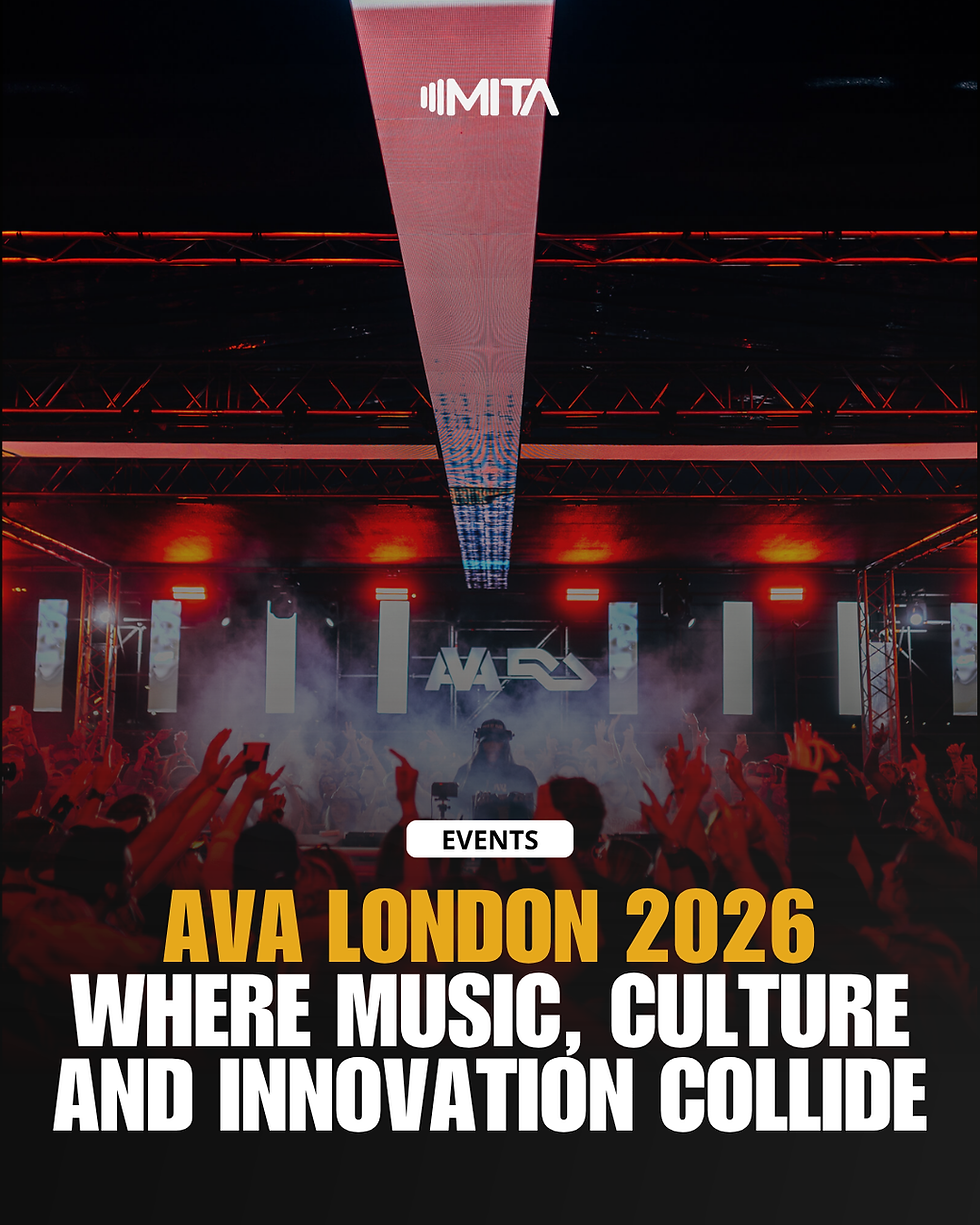
Read this next: AVA London 2026 brings three days of electronic music, visual art and cultural exchange to the capital
DJs can feel the difference
For DJs, phones do not just look bad from the booth. They interfere with the mechanics of performing.
A DJ needs to read physical reactions: movement, eye contact, tension and release. A wall of static faces illuminated by screens offers very little information.
New York DJ Bishop has argued that artists cannot properly control and elevate the energy of a room if the audience is not paying attention.
Bob Sinclar went further after playing to a disengaged crowd in Mykonos, publicly describing it as one of the worst gigs of his career.
Other artists, including Fat Tony and Jamz Supernova, have spoken about the conflict between preserving memories and protecting the authenticity of the club experience.
The frustration is shared by the audience.
A survey of 2,000 adults found that half of clubbers believe phones are ruining the dancefloor, even though 55% admitted using their devices while dancing.
That contradiction reveals the real problem.
Many people do not necessarily want to spend the night filming, but once everybody else has a phone in the air, the pressure to capture the same moment becomes difficult to resist.
A clear policy removes that pressure for everyone.
A ban is not about rejecting technology
Club culture does not need to pretend smartphones do not exist.
People need to message friends, arrange transport and remain contactable in an emergency. A no-phone dancefloor should not necessarily mean surrendering a device for the entire night.
The distinction is between using a phone when necessary and turning the crowd into an uncontrolled filming zone.
Clubs can create designated phone areas. Official photographers can document selected moments while respecting consent. Promoters can publish a small amount of high-quality content instead of relying on thousands of shaky videos of the same drop.
Ironically, limiting access can make the official footage more powerful.
If every second of a night is available online, nothing feels exclusive. Mystery makes people want to be there.
And some experiences should belong primarily to those who were.
MITA Magazine is joining the movement

MITA Magazine believes the dancefloor should be a place of connection, freedom and shared energy not a backdrop for social media.
That is why the official Ironworks afterparty at Starlane on 24 October 2026 will have a no-phone policy on the dancefloor.
Following CamelPhat’s show at Ironworks, the party will continue for eight hours with LEON as Special Guest, alongside Alfie, Bazil and Giovanni Savoca.
Entry will be exclusively available to Ironworks attendees wearing an official wristband.


Comments